House Hearing Examines Emerging Workplace Safety Issues
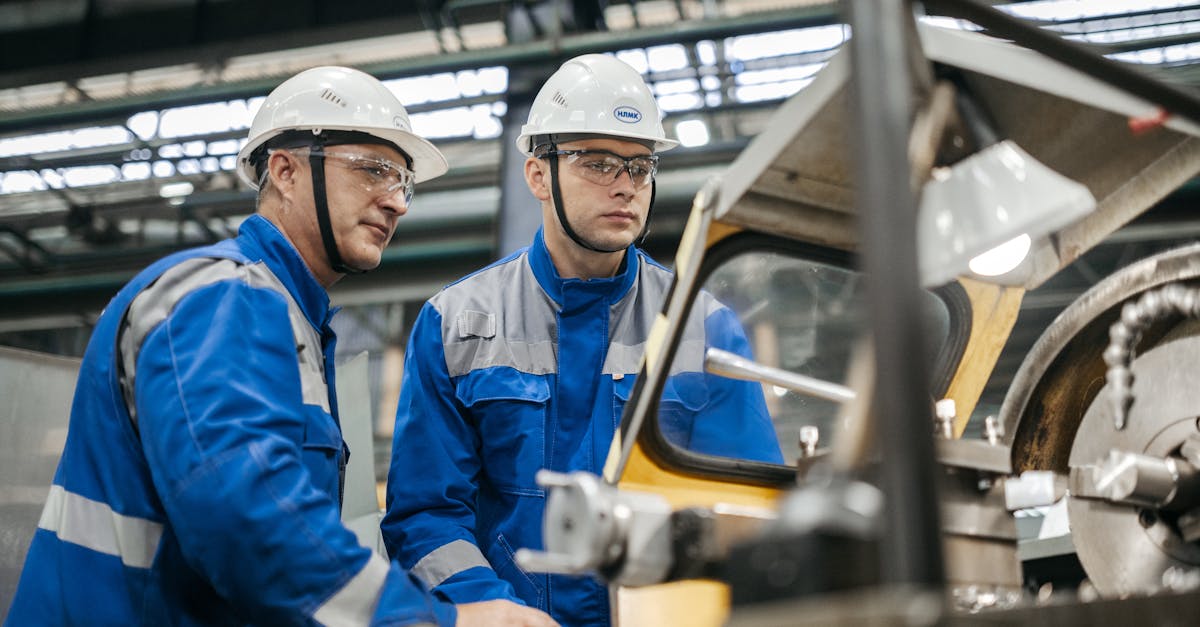
Photo by Sergey Sergeev on Pexels
House Subcommittee Hearing Addresses Workplace Safety Concerns
On May 13, the House Workforce Protections Subcommittee held a hearing titled ‘Building a Safer Future: Private-Sector Strategies for Emerging Safety Issues,’ where panelists including former OSHA head Doug Parker testified about the risks posed by proposed White House budget cuts to the Occupational Safety and Health Administration (OSHA). According to Safety+Health Magazine, Parker warned that these cuts could shift OSHA’s focus from proactive injury prevention to primarily investigating injuries, citing a proposed nearly 7.5% budget cut for OSHA in fiscal year 2027, which includes a 13.5% reduction in enforcement and a 36% cut in health and safety inspections from 2025 levels.
Impact of Budget Reductions on Enforcement
Federal OSHA is currently operating with ‘well below’ 700 compliance safety and health officers, the lowest total in its history, as stated by Parker during the hearing. He explained that additional cuts would degrade worker safety by limiting responses to complaints and prioritizing inspections of fatalities over proactive hazard addressing. In response to questioning from Rep. Ilhan Omar, Parker noted that this resource triage would leave workplace hazards unaddressed, reducing the agency’s ability to implement measures that prevent injuries before they occur.
Calls for Enhanced Safety Strategies
National Safety Council CEO Lorraine M. Martin testified that OSHA should develop a National Emphasis Program on serious incident and fatality prevention, emphasizing hazard identification and controls to prevent incidents proactively. Martin also highlighted the need for employers to focus on worker well-being, including mental health, fatigue, stress, and impairment, while stressing that artificial intelligence and emerging technologies aid in risk identification but require human judgment and employee involvement in their adoption. According to Safety+Health Magazine, she emphasized the importance of including employees in the process to overcome barriers to new technology acceptance.
Proposals for Updating Safety Standards
Multiple panelists, including employment attorney Melissa Peters, suggested modernizing OSHA’s lockout/tagout standard (1910.147), which dates to 1989 and does not account for current technologies like computer-based systems. Peters argued that updating the standard could reduce worker risks by incorporating these advancements. Additionally, at the 2025 NSC Safety Congress & Expo, OSHA’s Andrew Levinson indicated the agency plans to ‘move aggressively’ on this update, potentially including computer-based controls. According to Safety+Health Magazine, this reflects ongoing efforts to adapt safety regulations to modern workplace needs.
Sources