CSB Report Urges Protective Building Design at Chemical Facilities
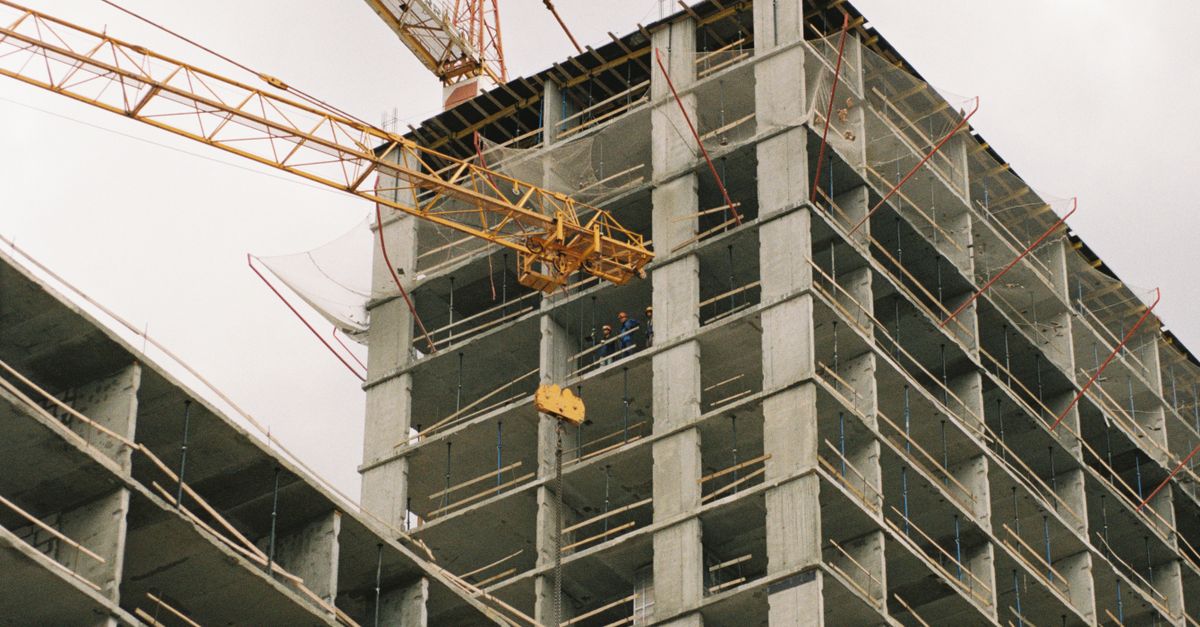
Photo by rescriptt rescriptt on Pexels
The Chemical Safety Board issued a final report on a fatal August 2025 explosion at the U.S. Steel Clairton (PA) Coke Works Facility that killed two workers and injured 11 others.
Incident Details
The explosion occurred inside the Battery 13/14 transfer room after coke gas was released from process piping. Both deceased workers and two of the seriously injured workers were inside or near buildings in the area where the explosion occurred. None of the buildings were designed or constructed to withstand an explosion, according to Safety+Health Magazine.
Key Findings
CSB investigators found that U.S. Steel did not perform a facility siting evaluation of its coke oven batteries before the incident. Five of the injured workers sustained serious injuries.
Recommendations
CSB recommends that companies conduct facility siting analyses of normally occupied spaces such as control rooms and involve workers who occupy the buildings in the process. Companies should always consider and properly control the potential for overpressure when connecting an external pressure source to piping or equipment containing hazardous chemicals. Companies should develop and apply robust process safety management principles to all hazardous processes.
“When buildings are occupied by personnel, they must be adequately designed or located to protect the personnel or equipment from fires, explosions or toxic releases,” Drew Sahli, agency investigator in charge, said in a press release. “Had these buildings been located in a different area of the facility, away from coke batteries, this incident could have been far less severe,” according to Safety+Health Magazine. Regulation establishes minimum expectations with no prohibition from exceeding minimum requirements.
Sources