Testing Shows Arc Blast Rarely Causes Worker Injuries
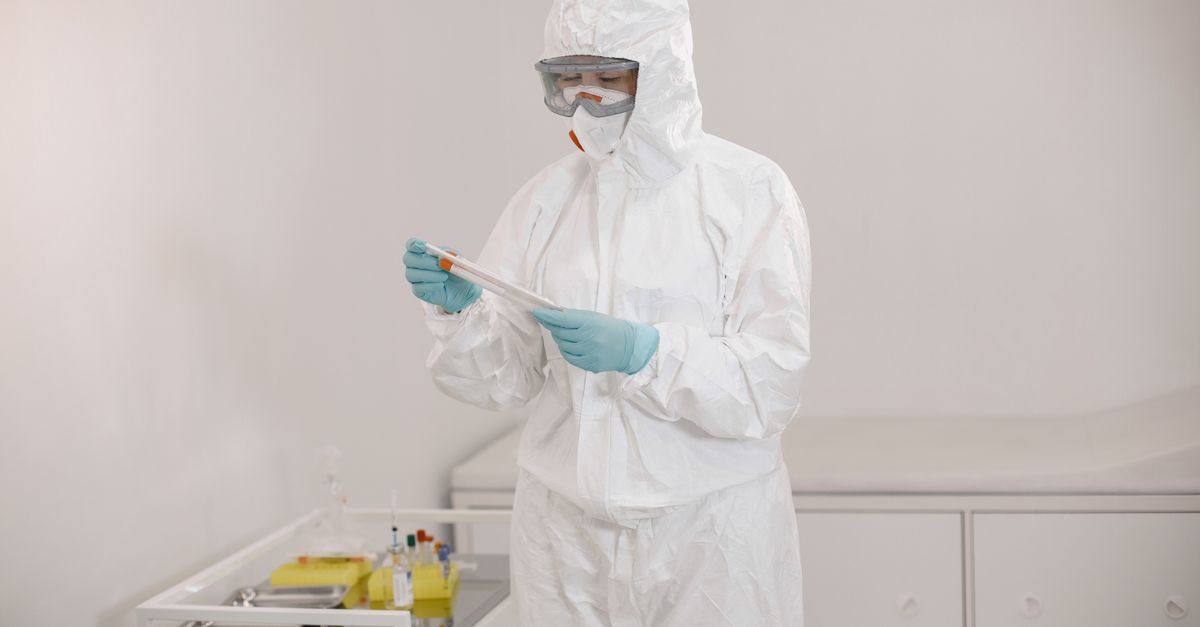
Photo by Gustavo Fring on Pexels
Testing Shows Arc Blast Rarely Causes Worker Injuries
Tyndale Co. performed arc flash testing at an independent laboratory using incident energies from 3.7 to 29.2 cal/cm². Clothed manikins positioned at typical working distances were not knocked over. At the highest energies the manikins only wobbled slightly, even though each manikin and stand weighed about 42 pounds.
Pressure Wave Findings
Higher incident energy levels did not produce larger pressure waves. Security camera footage of real arc events showed workers were not knocked over or blown backward. No significant blast injuries appeared in the reviewed footage.
Thermal Energy as Primary Hazard
Arc flash survivor Jason Brozen stated he was not thrown or injured by a pressure wave. His injuries resulted from thermal energy that burned exposed skin and ignited non-flame-resistant clothing. According to Safety+Health Magazine, no significant arc-blast injuries occurred in the tests, footage, or survivor accounts analyzed, and extremely few have been documented.
Clothing Ignition Tests
Additional tests demonstrated that flammable clothing can ignite at 120/208V and at very low incident energies, leading to severe or fatal burns. Manikins wearing arc-rated PPE matched to the hazard showed no clothing ignition or burn injury.
Proper de-energization and correctly matched arc-rated PPE remain the required controls according to Safety+Health Magazine.
Sources