Gas Detection Requirements for Confined Space Entry
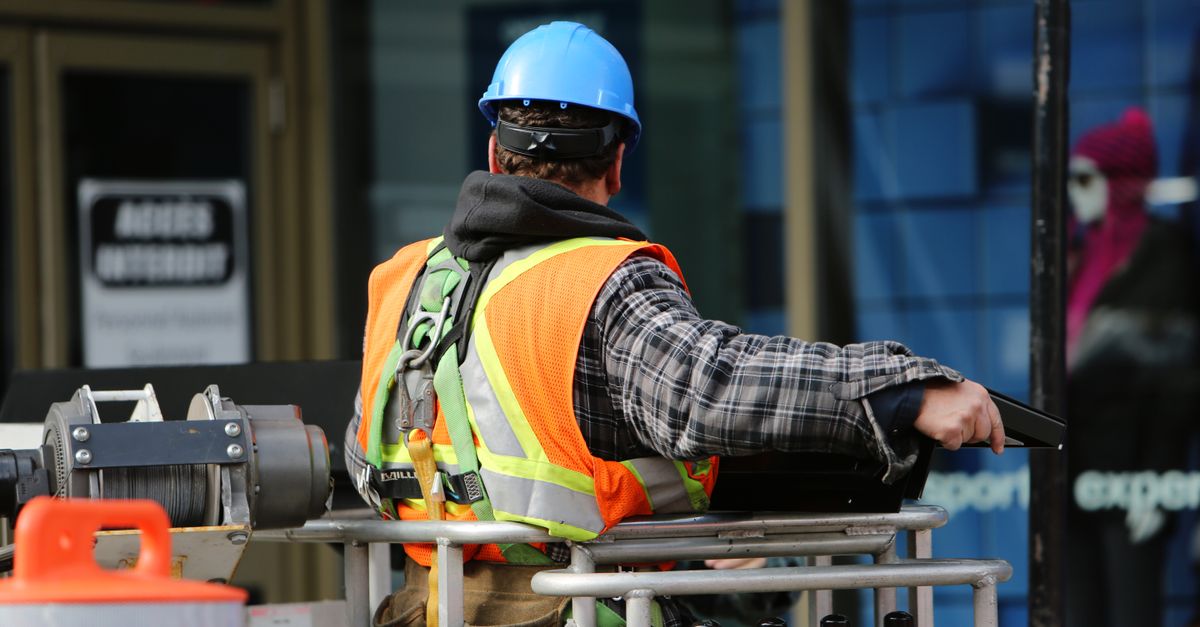
Photo by Life Of Pix on Pexels
Gas Detection Requirements for Confined Space Entry
Workplace safety in confined spaces requires gas detection devices, communication equipment, personal protective equipment, and ventilation systems, according to Safety+Health Magazine.
Personal Gas Detection Devices
Personal gas detection devices supply immediate readings of hazardous gases inside confined spaces without sole reliance on external sources. Monitors must receive current software updates. Bump tests must occur before every entry to verify sensor and alarm function.
Calibration gases provide a separate accuracy check on gas detection devices. Bump tests serve as daily responsiveness checks, while calibration gas testing follows a more detailed process to confirm device accuracy.
Additional Required Equipment
Fixed gas detection units form part of the complete gas detection system alongside personal monitors. Radio communication or another form of contact with workers outside the space remains necessary during entry. When hazardous gases are possible, masks or oxygen monitors may also be required depending on site hazards.
Safety Protocols
PPE, consistent communication between crew members, and accurate gas detection equipment prevent incidents during confined space work, according to Safety+Health Magazine. Gas detection devices can identify leaks at low concentrations. Proper maintenance and calibration of all gas detection equipment support these protocols.
Maintenance of PPE and correct use of communication systems further support worker safety on confined space entries, according to Safety+Health Magazine.
Sources